Water Method Blog
Taoist Philosophy, Neigong and Meditation, Medical Qigong, Tai Chi and Bagua
Auteur : Paul Cavel
Traduction : Xavier Benard
Récemment, mon professeur, Maître Bruce Frantzis, a publié une courte vidéo sur la façon de renforcer le système immunitaire. Il y démontre trois exercices de base pour atteindre cet objectif, qui ont reçu deux réponses générales :
-
Principa
...
La version en français est disponible ici.
Most people find it rather difficult to feel their energy, especially in the early years of practice. In this case, Dragon and Tiger Medical Qigong offers a straightforward and exceptionally easy methodology for learning how to feel your qi, and develo...

By Paul Cavel
With the first two phases of softness and precision embodied, at least to some degree, Dragon and Tiger Medical Qigong becomes an excellent vehicle for delving into the subtle layers of qi development. Before this, you can gain a general sense of the qi that powers ...
By Paul Cavel
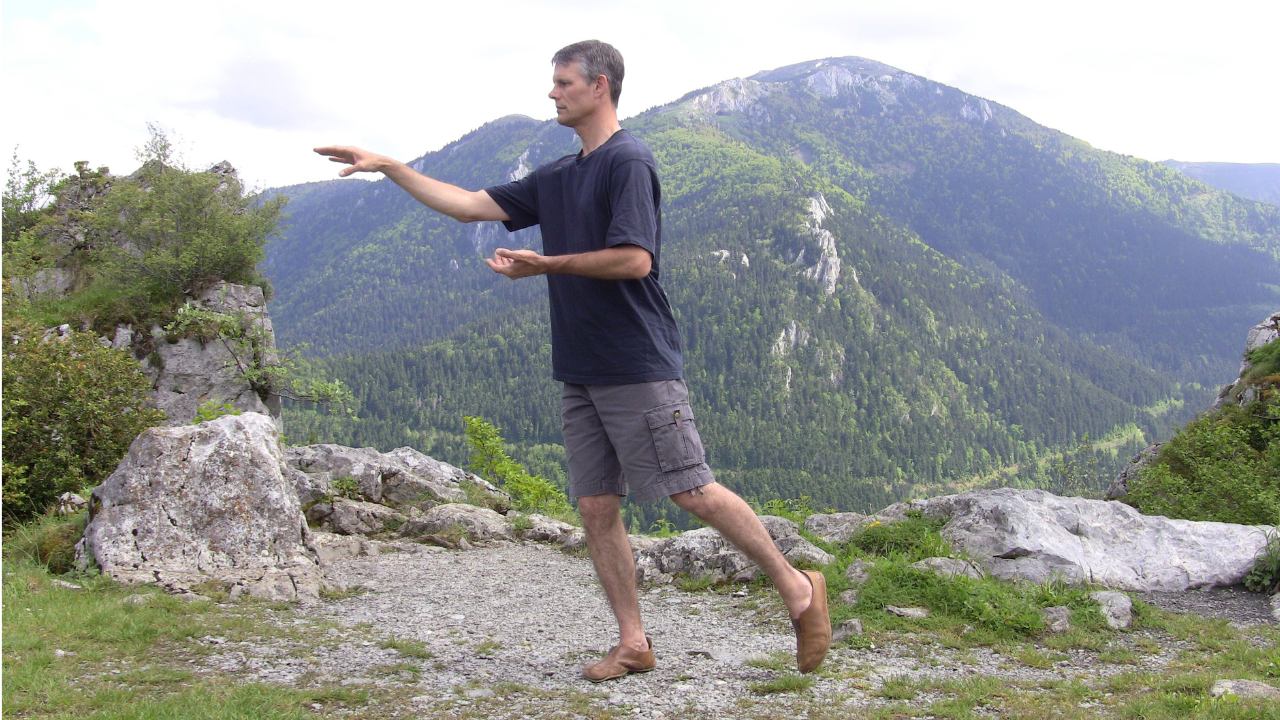
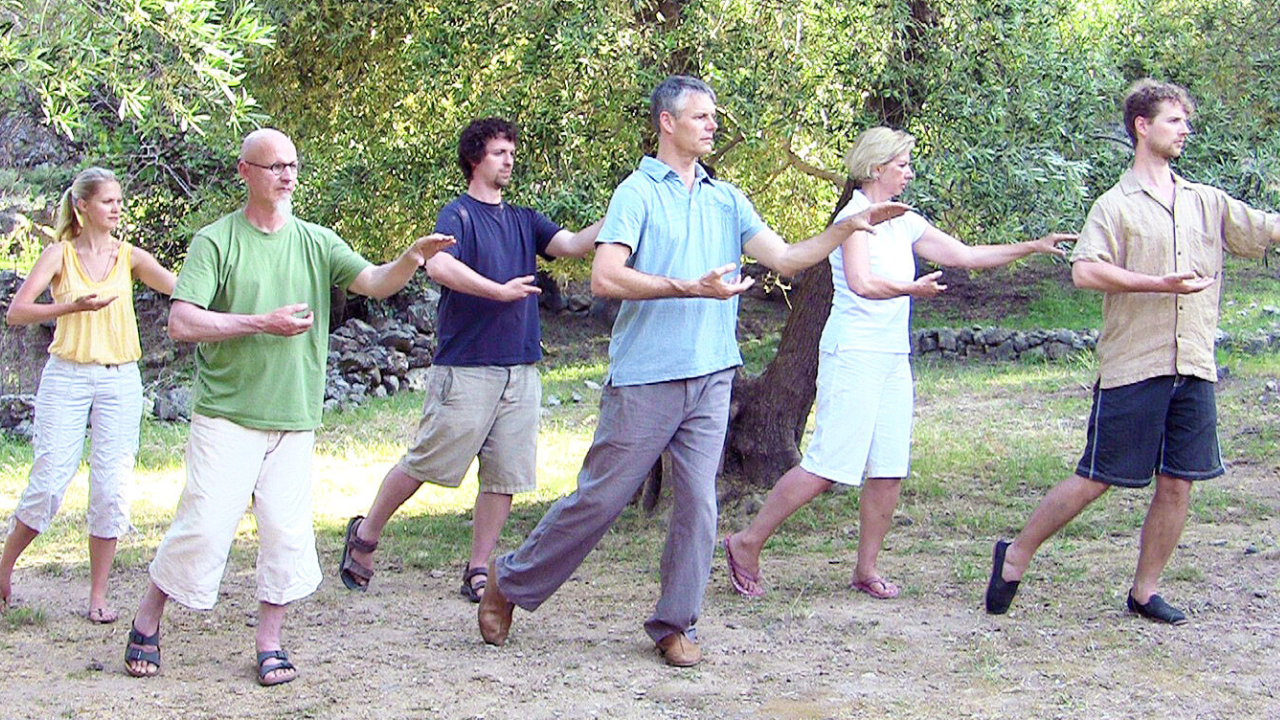
Dragon and Tiger Medical Qigong includes many layers and levels of energetic development, which can take a practitioner deep into the realms of qi. But in order to get the most out of your practice, there are three distinct phases that must be followed to allow you ...
By Paul Cavel
The two most popular questions I get asked by new students in a qigong class, hands down, are:
What do I do with my breathing?
What do I do with my qi? Or how do I get access to my qi?
I’d really like to answer these questions. After all, this is the s...
By Paul Cavel
La version en Français est disponible ici.
My teacher, Taoist Lineage Holder Bruce Frantzis, released a short video on how to strengthen the immune system. He demonstrates three basic exercises to achieve the goal, which received two general responses:
-
Primarily positive - fro
...
What's Holding You Back?
In this follow-on talk with TTCS Instructor Javi Martinez, we discuss healing with Taoist neigong. Topics include:
- The benefits of training, such as better sleep, increased flexibility and growing a younger body
- Healing physical, energetic, emotional, mental and...
By Paul Cavel
Breathing is one of the most direct and simple ways to gain access to your internal landscape, and encourage a calm, relaxed state in body and mind. The ability to breathe well can dramatically affect your health and well-being—not just because you do it all day, but also because...
This is Part Three of the Water Method series with Mir Ali.
Start with Part One:
• What Defines Water Method Training
In this third video, Mir and I drill down into the question: What is the point of training? We also discuss the training progression as you develop skill with fundamental neigong...
By TTCS Senior Instructor Jackie Smith
When I first saw titles like this one, I thought, “Sign me up for some of that”! Now though, I can’t even remember how long I’ve been attempting to wrap my brain cell around the concept and training to embody these simple yet profound words. There are in...
I’m pleased to have teamed up with MysticMag to discuss physical and mental well-being in this age of anxiety, depression and chronic pain. I hope you find the post useful: click here to read.
This is Part Two of the Water Method series with Paul Cavel and Mir Ali. Go back to Part 1
Much of the documentation on Daoism has been destroyed, but the oral tradition has been preserved with the teachings being transmitted from master to student for millennia, to us in the present day.
In th...
The stress and pressure of life coupled with the constant comparing of ourselves to others creates competition. Only super athletes and the highest of high-performers can operate well under these conditions. It creates a push — in the body, in the mind — which ultimately leads to a glass ceiling,...
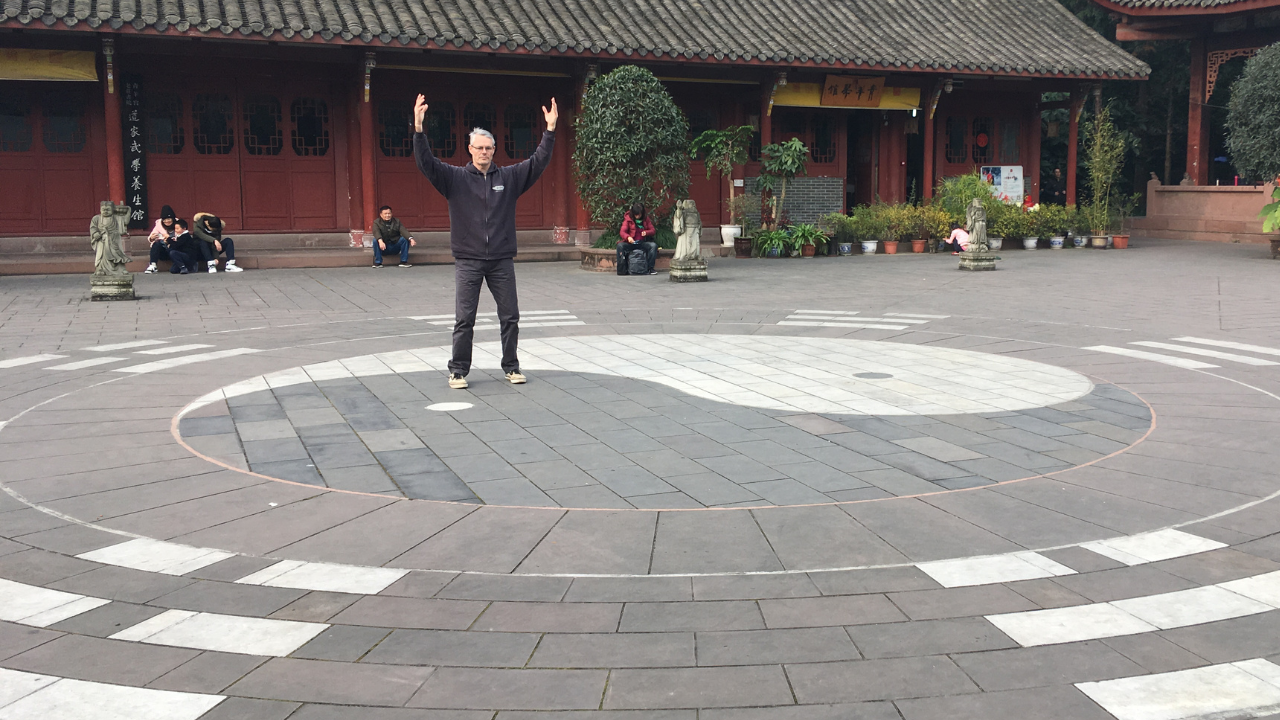
By Paul Cavel
In a previous post I offered exercises for opening up the musculoskeletal frame in a coordinated fashion to create space in your body. As you begin to feel a sense of more space, you want to transition your focus from the muscles to the nerves.
In order to target nerve flow, you w...
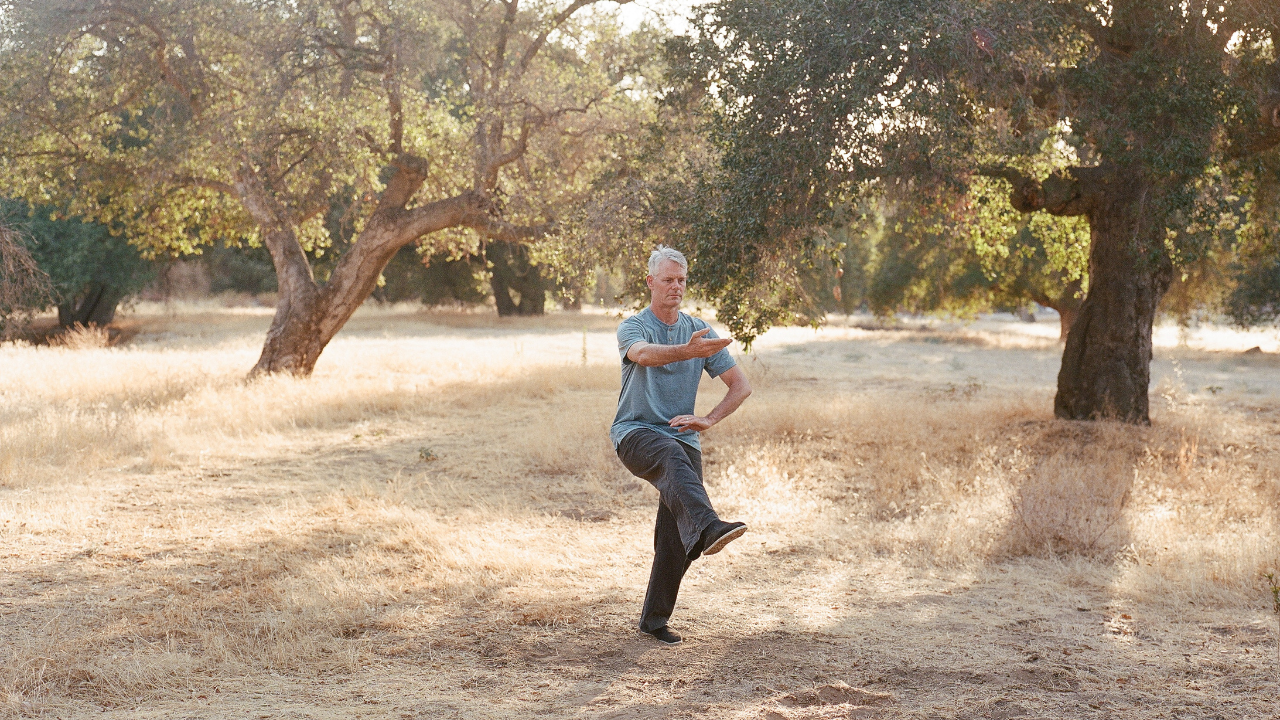
By Paul Cavel
When learning any internal energy art, such as qigong, tai chi or bagua, there is a major hurdle that must be overcome to create sustainable, long-term training results: feeling instead of visualising. I’ve watched how this has become more and more difficult for students over the ...
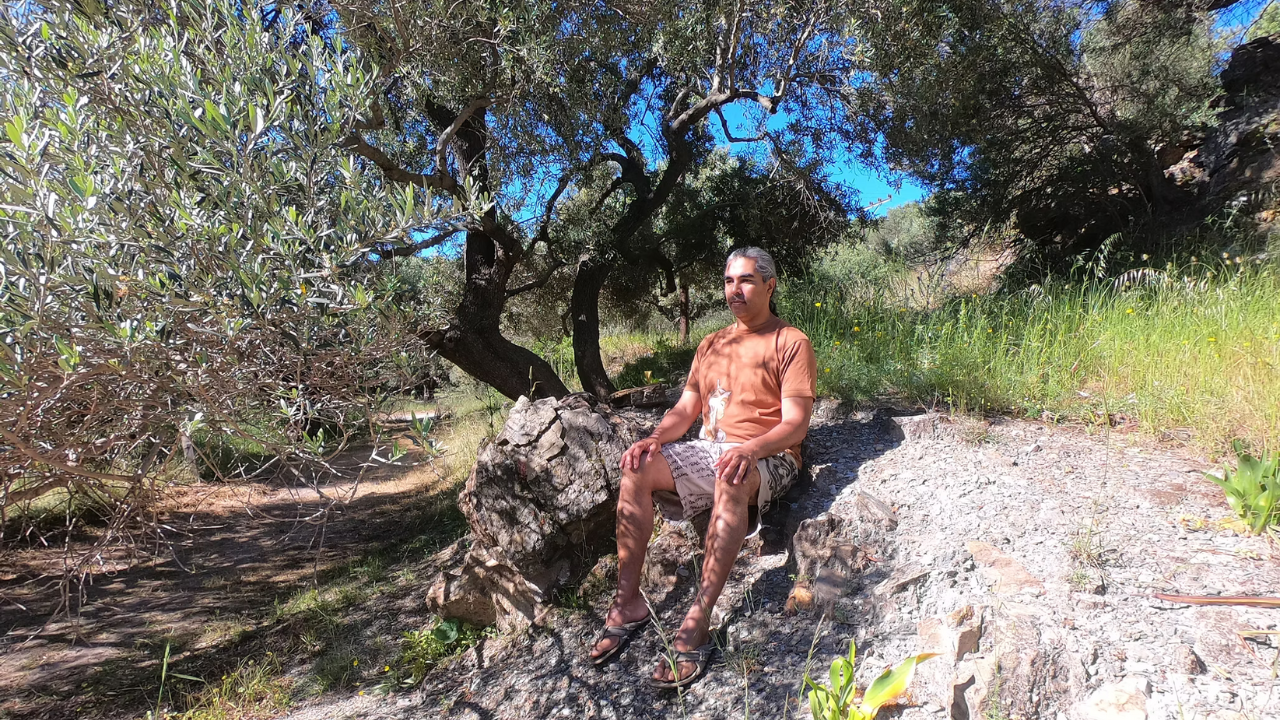
By Mir Ali, LicAc, MBAcC
I love qigong … so much so that I don’t think I could be a practising acupuncturist without it. Qigong helps me keep healthy, informs my diagnosis, helps my patients keep healthy, helps me treat patients!
When I started learning Shaolin Kung-fu in 1991, I began practi...
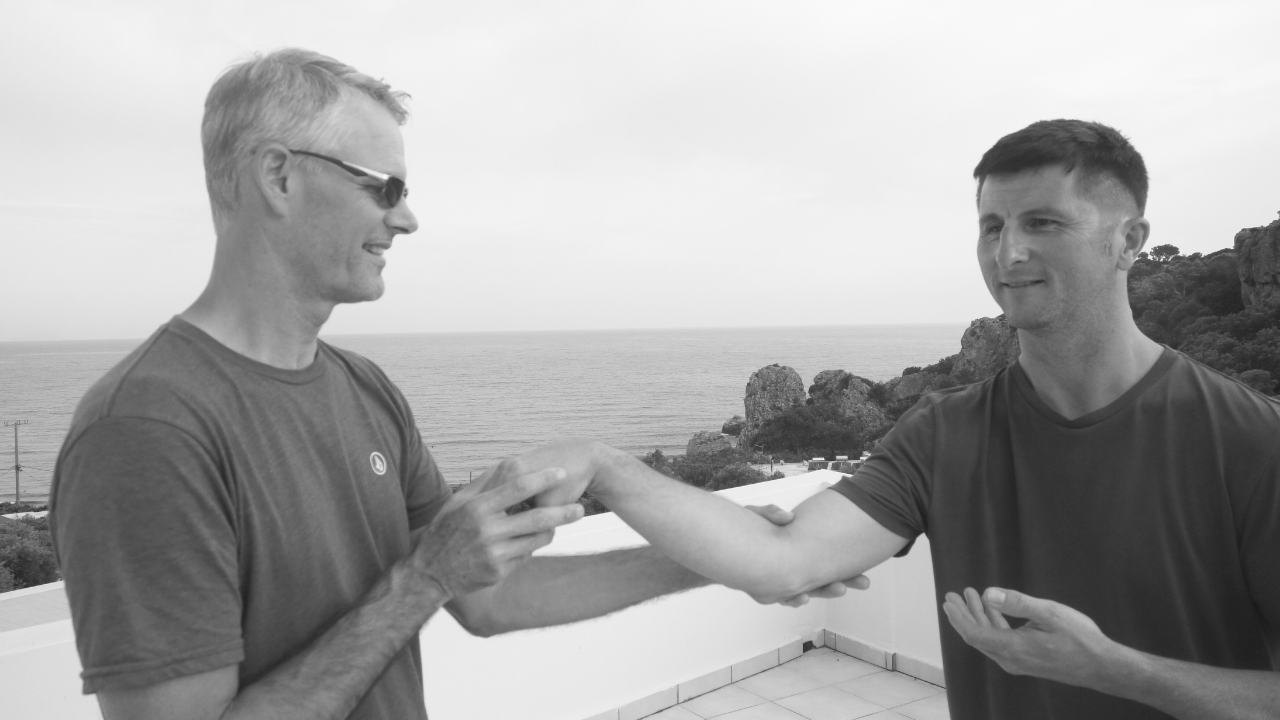
By Paul Cavel
Two Methods for Growing Your Life-force Energy
There are two primary methods of moving energy in the body, which can be broadly classified as beginning and advanced phases. Many qigong systems are designed according to the principles of the beginning phase and remain within this re...
In this video, I meet with my friend and fellow Water Method teacher Jason Roberts to discuss how to practise to cultivate qi and manifest the energies of the Five Elements.
We discuss:
-
Where to put your focus and strategies for practising the Water Method as it is comprised of five neigong
...
Audio from a recording in California, March 2024 on how to make practice effortless with a video of an evening tai chi practice in California, May 2024.
Javi Martinez teaches tai chi and qigong in London
In this talk, I sit down again with Javi Martinez to discuss the three integrated streams of Taoist arts training: health/healing, martial arts and personal/spiritual development. Let us know in the comments which is your path... We can centre future discussions on the levels of practice you wish...
By Paul Cavel
In Part 1, we looked at how Circle Walking is the minimalist’s paradise. Once you have some understanding of and become proficient in Circle Walking, you can progress to the Single Palm Change, the core of both the monastic bagua and bagua zhang taditions.
The Single Palm Cha...
If you really want to be healthy, to feel freer, to become a better human being, you must first create balance. Taoist energy arts have been practised for millennia for these reasons, and many more.
Most popular is qigong (and younger tai chi), but in the Water Method, the focus is on neigong an...
Wu wei is often translated literally, based on the Chinese characters. But Water Method practitioners have a much different understanding of the Taoist concept of wu wei. Following the principles of water, it starts with the physical body and goes through the Three Treasures, the Taoist path of a...
In this video, I discuss bending-and-stretching neigong and lengthening neigong, and how they become one.
Follow The Tai Chi Space
... and join our growing TTCS community!